Pellela, ?? and the Many Meanings of Pellela

The word pellela carries an air of mystery. To some, it might sound like a place, while to others it feels like a cultural symbol or even a concept tied to heritage. Its uncertain spelling and the addition of “??” only deepen the intrigue. This article unpacks pellela from different angles, moving through geography, culture, and meaning, while reflecting on how a single term can hold multiple identities.
Pellela as a Place

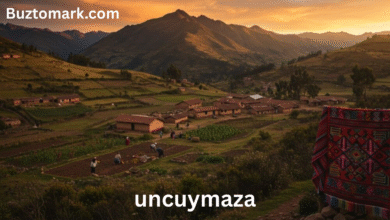
In certain references, pellela is linked to a location. Small towns or rural regions often carry names that echo through history, shaped by language and settlement. If pellela is indeed a place, it likely has roots in traditional life, connected with agriculture, community, and oral history. Places with such names are often repositories of memory, where generations have lived and passed down customs that shape the identity of the land.
Pellela and Heritage

Beyond geography, pellela can also be read as a cultural expression. Communities often use specific words to capture their sense of belonging. Pellela could represent songs, stories, or rituals that bind people together. Heritage terms like this usually transcend literal meaning, acting as symbols of pride, identity, and resilience. Even when uncertain, they remind us how language preserves collective memory.
The Mystery of Pellela ??

The addition of “??” after pellela adds layers of ambiguity. It invites interpretation rather than a definitive answer. This uncertainty mirrors how language evolves, how words migrate between regions, and how meanings get blurred. Pellela ?? becomes a way of asking not only what pellela is, but also why it matters, and how it connects different traditions or experiences.
Pellela in Oral Traditions
In oral traditions, a word like pellela might carry storytelling power. Elders often use such expressions to explain origins, moral lessons, or ancestral ties. Whether as a name in a folk tale or a phrase repeated during ceremonies, pellela could be tied to narratives that hold deep communal value. Such traditions rely on rhythm and memory, and a word like pellela—soft and melodic—fits naturally into that role.
Pellela and Identity
Identity is never static. For some, pellela might signify a hometown. For others, it could be a family name, or even an emblem of belonging to a group. Words tied to identity are layered with emotion and pride. Pellela may represent where one comes from, but also who one is becoming. It reminds us that identity is shaped not just by the past but by how we reinterpret it in the present.
Pellela in Contemporary Context
In modern times, pellela can take on new associations. With globalization, terms that were once local can now travel across borders. Pellela might appear in music, literature, or digital culture, reaching audiences far beyond its origin. The word’s openness—its unanswered “??”—makes it adaptable, allowing each person to fill in the blanks with their own meaning.
Conclusion
At its core, pellela is a symbol of continuity and mystery. Whether it is a place, a word of heritage, or a concept of belonging, its significance lies in its ability to spark curiosity and reflection. Pellela ?? becomes less about solving the question and more about appreciating how language connects us to history, identity, and one another.
Read More: Hall Sinclair, History, Legacy, and Cultural Significance