Nerovet AI Dentistry: Shaping the Future of Oral Care??
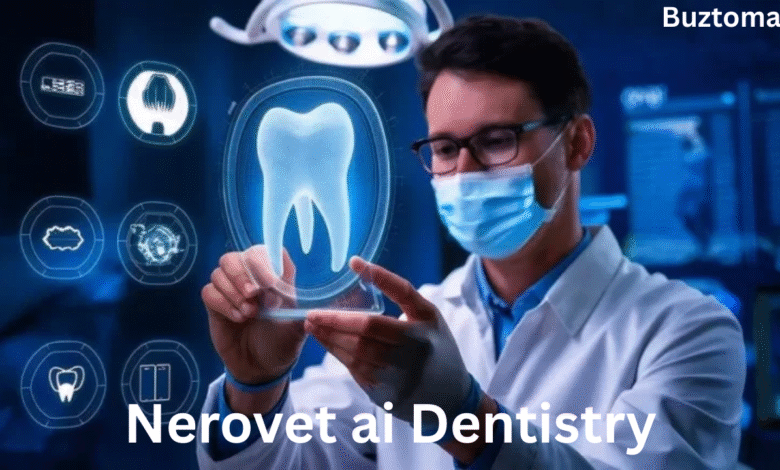
Dentistry is undergoing a rapid transformation as artificial intelligence technologies enter the field. Among these innovations, nerovet AI dentistry?? stands out as a promising approach that enhances both clinical precision and patient experience. By integrating machine learning, predictive analysis, and image recognition, this system supports dentists in making faster, more accurate decisions. The goal is not to replace dental professionals but to empower them with tools that expand their ability to diagnose early, plan treatments effectively, and monitor outcomes in real time. This shift reflects a broader movement in healthcare toward smarter, data-driven care.
How Nerovet AI Dentistry?? Works
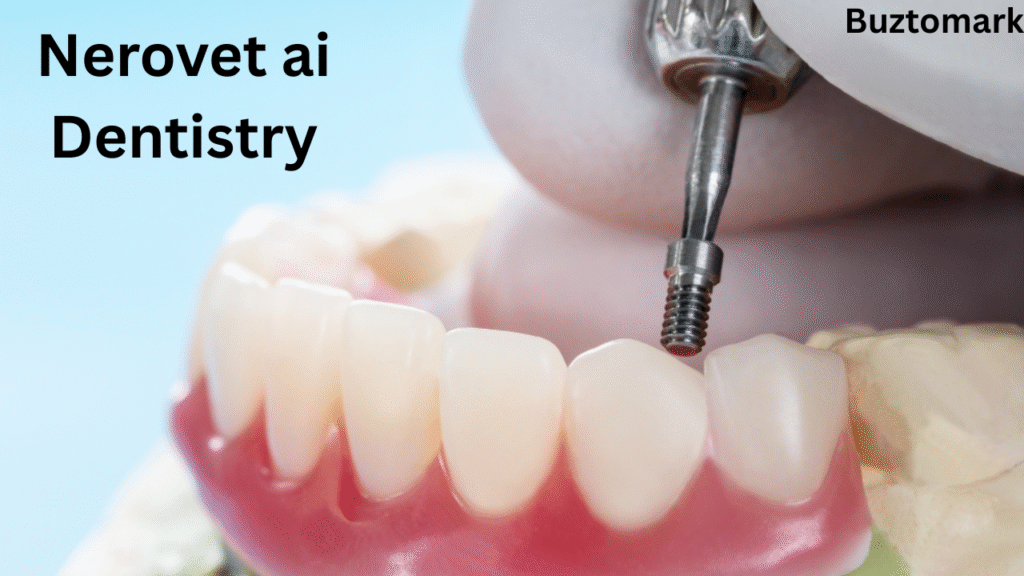
At its core, nerovet AI dentistry?? uses algorithms trained on thousands of dental records, radiographs, and case studies. These systems learn patterns associated with common conditions such as cavities, gum disease, or misalignments. When a new patient’s data is entered, the AI compares it against its vast database to highlight possible issues. For example, dental X-rays analyzed by AI can reveal subtle signs of decay or bone loss that might otherwise be missed in early stages. Beyond diagnostics, nerovet AI dentistry?? also uses predictive modeling to anticipate future risks, helping dentists tailor preventive strategies for each patient. This blend of detection and prediction makes dental care more proactive rather than reactive.
Benefits for Dentists and Clinics
One of the key strengths of nerovet AI dentistry?? is efficiency. Dentists can process large amounts of data quickly, reducing the time needed to review X-rays, scans, or patient histories. This not only saves time during appointments but also increases the accuracy of diagnoses. Clinics that adopt AI-assisted tools can offer more precise treatment plans, reduce errors, and improve patient trust. Another benefit is scalability: practices serving many patients can rely on AI to handle repetitive tasks, such as sorting through radiographic images, freeing up dental staff to focus on patient interaction and care. By improving workflow, nerovet AI dentistry?? contributes directly to better patient outcomes and smoother clinic operations.
Improved Patient Experience
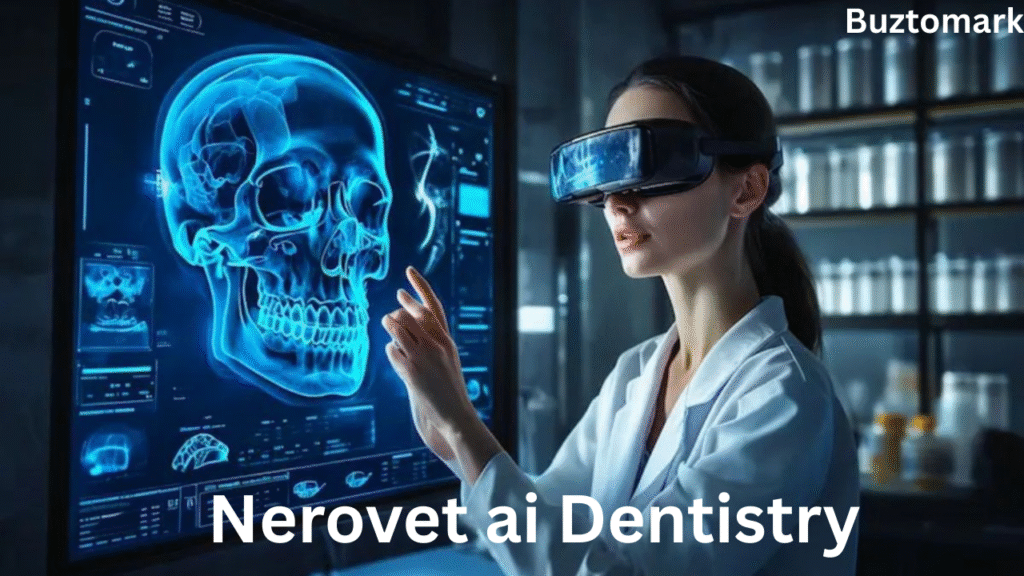
For patients, nerovet AI dentistry?? translates into shorter appointments, faster diagnoses, and greater confidence in treatment plans. AI can provide visual explanations, such as highlighting problem areas on digital X-rays, which helps patients better understand their oral health. This transparency increases trust between patients and providers. Additionally, personalized treatment strategies reduce unnecessary procedures and lower long-term costs. For example, predictive tools can alert patients to potential orthodontic issues before they become severe, allowing for earlier and less invasive interventions. In this way, AI not only enhances the science of dentistry but also makes the experience more human-centered.
The Role of Predictive and Preventive Care
Traditionally, dentistry has been focused on treating problems once they appear. Nerovet AI dentistry?? shifts the focus toward prevention. Predictive algorithms can identify patients who may be at higher risk for gum disease, cavities, or orthodontic complications based on lifestyle data, medical history, and genetic markers. By catching these risks early, dentists can create customized preventive care plans. This reduces the likelihood of serious interventions later on, aligning with the broader healthcare trend of prioritizing prevention over treatment. Such approaches also help reduce overall healthcare costs while improving patient quality of life.
Challenges and Ethical Considerations
While nerovet AI dentistry?? holds enormous promise, it also raises questions. Data privacy is a major concern, as AI systems rely on large volumes of sensitive patient information. Ensuring that data is stored securely and used responsibly is critical. There is also the question of accountability: if an AI system makes an incorrect recommendation, who is responsible, the dentist or the developer? Another challenge is accessibility. Advanced AI systems may be expensive for smaller clinics, potentially widening the gap between urban and rural healthcare. Addressing these concerns will be essential to ensure that AI enhances dentistry without introducing new inequalities.
The Future of Nerovet AI Dentistry??
Looking ahead, nerovet AI dentistry?? is likely to become a standard feature in modern dental practice. As technology advances, AI systems will grow even more accurate and adaptive, learning from real-time patient data to continuously refine their recommendations. Integration with wearable devices and smart toothbrushes could provide dentists with continuous monitoring of patient oral health. This would allow for truly personalized and dynamic care. Furthermore, AI could play a key role in training new dentists, offering simulations and case-based learning powered by real-world data. Over time, these developments may redefine what it means to practice dentistry, blending human expertise with technological intelligence in unprecedented ways.
Conclusion
Nerovet AI dentistry?? represents a powerful step forward in oral healthcare. By combining artificial intelligence with dental expertise, it improves diagnosis, enhances preventive care, and enriches the patient experience. While challenges remain, including privacy and accessibility, the potential of AI to transform dentistry is undeniable. As more clinics adopt these tools, dentistry will become not only more efficient but also more predictive, patient-centered, and innovative. Nerovet AI dentistry?? is not just a technological upgrade; it is a vision of a future where smarter tools support healthier smiles.
Read More: Sweat Resistant Bolo Ties: Style, Comfort, and Durability