i-75 Power Line Shutdown, Causes, Impacts, and Community Response
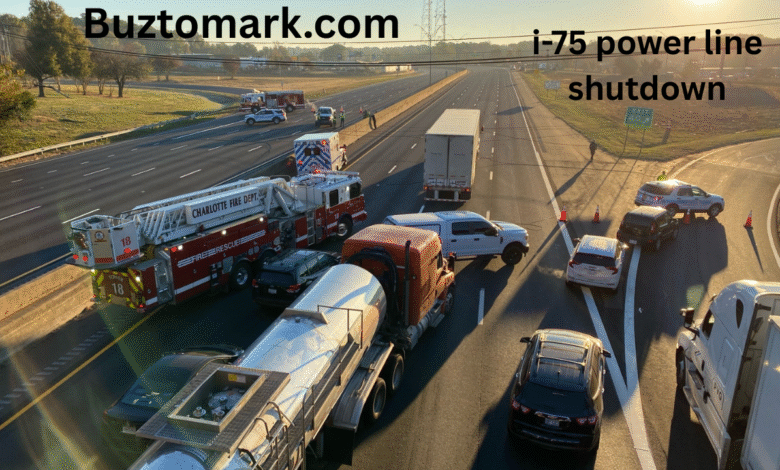
The i-75 power line shutdown has become one of the most talked-about issues in recent months, drawing concern from drivers, residents, businesses, and regional authorities alike. Interstate 75, or I-75, is a major north–south highway stretching over 1,700 miles, connecting Florida to Michigan. It is not only a vital commercial route but also a lifeline for communities along its path. When the i-75 power line shutdown occurs, whether due to scheduled maintenance or unexpected emergencies, the consequences ripple far beyond just traffic slowdowns.
The phrase “power line shutdown” refers to instances where high-voltage transmission lines crossing or running near the interstate require service, repair, or replacement. Because these power lines are critical to supplying electricity across counties and states, their temporary shutdown impacts energy supply reliability, construction schedules, and traffic management on I-75 itself.
Why Did the i-75 Power Line Shutdown Happen?
The i-75 power line shutdown can occur for several reasons, ranging from planned maintenance to sudden infrastructure failures. Among the most common causes are:
- Aging Infrastructure: Many sections of the power grid near I-75 are decades old. Routine shutdowns are necessary to replace outdated components, reduce risks of power outages, and upgrade systems.
- Weather Events: Severe storms, high winds, or lightning strikes can damage transmission lines. After hurricanes or winter storms, emergency shutdowns are often required to conduct inspections or repairs.
- Construction and Road Expansion: As I-75 is constantly undergoing expansion and maintenance projects, power lines near or above the interstate must sometimes be shut down to protect workers and ensure safety.
- Energy Modernization Projects: Transitioning to renewable energy and expanding capacity means existing transmission corridors need upgrades. The shutdown allows crews to install new systems while ensuring compliance with safety regulations.
Each of these causes brings unique challenges, especially given how tightly intertwined energy infrastructure and transportation networks are along the I-75 corridor.
Traffic Disruptions During the Shutdown
One of the most visible impacts of the i-75 power line shutdown is the disruption to traffic. Interstate 75 is among the busiest highways in the United States, carrying not only daily commuters but also long-haul freight trucks that supply goods across state lines.
When power line crews are working near or over the highway, safety protocols require lane closures, detours, or complete stoppages. Even short shutdowns can lead to significant backups, sometimes stretching for miles. For drivers, this means increased travel times, higher fuel consumption, and greater stress.
Emergency shutdowns, in particular, can create sudden traffic chaos. Drivers with no warning of the closures often find themselves delayed for hours, and local law enforcement must step in to manage congestion and reroute vehicles.
Economic and Business Impact of the i-75 Power Line Shutdown
Beyond traffic delays, the i-75 power line shutdown carries substantial economic consequences. Businesses that rely on quick transport along the interstate feel the effects first. Delivery schedules for perishable goods may be disrupted, supply chains are slowed, and trucking companies face additional fuel and labor costs due to detours.
Local businesses near affected areas also experience a ripple effect. Restaurants, gas stations, and roadside services see fluctuating traffic patterns. While some locations might temporarily gain from rerouted drivers, others lose significant footfall, impacting daily revenue.
On the energy side, power customers in surrounding regions may face brief interruptions, voltage fluctuations, or reliance on backup systems. While utility companies plan extensively to minimize disruptions, large-scale projects can still temporarily strain electricity supply.
Safety Concerns and Community Preparedness
Safety is at the core of every i-75 power line shutdown. High-voltage power lines carry massive amounts of electricity, and working near them without proper shutdowns would pose unacceptable risks to both workers and the public. By temporarily shutting down these lines, utility crews can operate safely while ensuring that any road users passing nearby remain protected.
Communities along the I-75 corridor often prepare for these shutdowns by issuing public notices, coordinating with law enforcement, and setting up detour routes. Emergency services are also briefed in advance so they can maintain response times even if normal traffic patterns are disrupted.
Still, unexpected shutdowns due to storms or accidents leave less time for preparation. In those cases, communities rely heavily on local resilience—radio alerts, social media updates, and neighborhood support networks—to manage the sudden change.
Environmental Considerations
Another aspect of the i-75 power line shutdown that deserves attention is its environmental impact. Prolonged traffic jams lead to increased emissions as vehicles idle along the interstate. In regions where shutdowns coincide with extreme heat or cold, the temporary strain on the power grid can also affect household and business energy usage.
On the positive side, many shutdowns are linked to modernization efforts that will ultimately improve environmental outcomes. By upgrading lines to handle renewable energy or installing more efficient transmission systems, utility companies help pave the way for a more sustainable energy future—even if the immediate disruptions are challenging.
Community and Government Response
Authorities at both state and local levels play critical roles in managing the i-75 power line shutdown. Departments of transportation coordinate with utility companies to balance infrastructure needs with traffic management. Law enforcement agencies are tasked with maintaining order, and local governments must respond to resident concerns.
Community members themselves also adapt. Many drivers now rely on GPS apps and live traffic updates to navigate around shutdown zones. Employers adjust schedules for workers facing longer commutes, and schools sometimes shift dismissal times when closures coincide with peak traffic hours.
The public response has been a mixture of frustration and understanding. While the inconvenience of long delays is undeniable, most people recognize that the shutdowns are necessary to maintain reliable power and safe roads.
Looking Ahead: Preventing Future Shutdown Challenges
The i-75 power line shutdown highlights the growing need for better coordination between transportation and energy infrastructure. Moving forward, several strategies may help minimize disruptions:
- Advanced Warning Systems: Expanding digital signage and alert systems can give drivers more time to adjust their routes.
- Nighttime or Off-Peak Work: Scheduling shutdowns during lower-traffic hours can ease congestion.
- Infrastructure Investment: Replacing aging systems before they fail reduces the need for emergency closures.
- Regional Cooperation: Multi-state planning ensures that shutdowns along major highways like I-75 are managed in ways that balance safety, economic needs, and public convenience.
Ultimately, while shutdowns will never be entirely avoidable, smarter planning and investment can reduce their severity.
Conclusion
The i-75 power line shutdown is more than just a temporary inconvenience on the highway. It is a reminder of how closely linked our power grids, transportation networks, and daily lives have become. From the safety of workers to the stability of the economy, each shutdown carries wide-reaching consequences.
Though drivers and businesses may feel the immediate effects most acutely, the long-term benefits of safer infrastructure, modernized power systems, and resilient communities far outweigh the short-term challenges. By continuing to learn from each shutdown, communities along I-75 can adapt and build stronger systems for the future.
Read More: Stimulus Check Eligibility Payments 2025: What You Need to Know