Bob Geldof Hootenanny Backlash: Chewing Gum, Nostalgia, and a Divided Audience

When Bob Geldof appeared on BBC’s New Year’s Eve Hootenanny alongside the Boomtown Rats, it wasn’t just the songs that people remembered—it was the gum. Viewers were quick to voice their irritation online, describing his gum chewing as “ridiculously aggressive,” and even likening his antics to “breaking in a new set of dentures” SeamaxGB News+1. Instead of focusing on the music, many found themselves transfixed by his unusual chewing habit, which made headlines and sparked a surprising amount of debate.
Performance Meets Critique: Music Versus Mannerisms
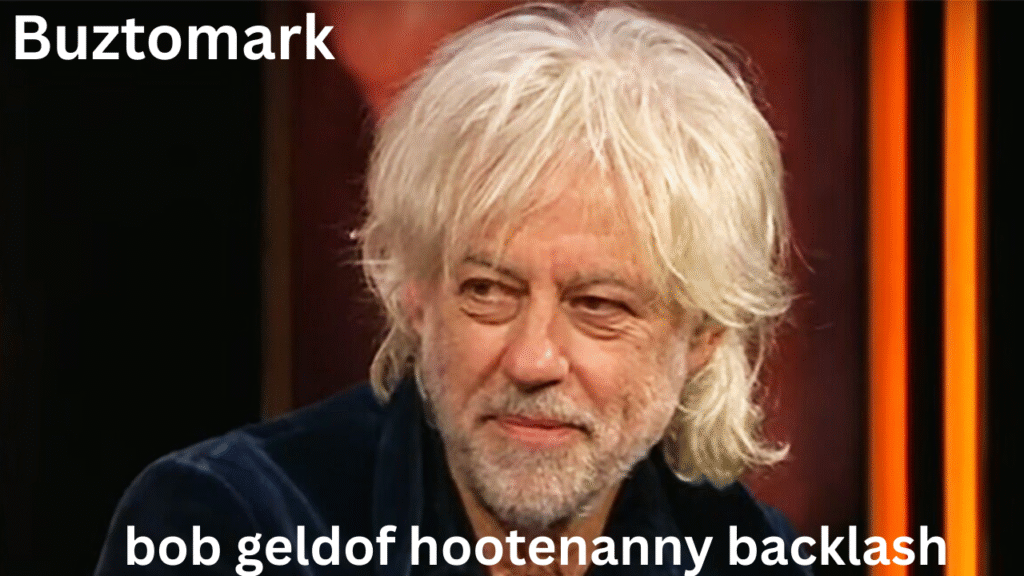
The Boomtown Rats delivered iconic hits like Rat Trap and I Don’t Like Mondays, coupled with a cheeky chat between Geldof and Jools Holland GB News+2Wikipedia+2. Yet, the performance wasn’t universally praised. While some called Geldof “amazing live,” others argued that his chewing and overall demeanor overshadowed any musical strengths YouTube+11GB News+11Seamax+11. The tension lay in the contrast: genuine skill undercut by distracting behavior—a reminder that even seasoned artists can stumble when presentation falters.
Appearance Under Fire: From Outfits to Ageist Jokes

Beyond the gum, Geldof’s overall appearance came under scrutiny. One viewer quipped he looked like he’d “just been defrosted from carbonite,” poking fun at his aged styling GB News. Comments like this reveal uncomfortable truths about our expectations of aging musicians. Geldof, now in his seventies, is held to standards few would tolerate from younger artists—another layer fueling the backlash, beyond anything he actually said or sang on stage.
Nostalgia, Not Redemption: When Legends Face Today’s Lens
Geldof is no ordinary performer. The man behind Live Aid and Band Aid has long held cultural hero status. But nostalgia isn’t always enough. Fans of the Boomtown Rats remember hits like Rat Trap and the cultural weight they carry. Their return to Hootenanny was more than a performance—it was a trip back in time Seamax+12Wikipedia+12GB News+12. Yet that very same nostalgia, when misaligned with current expectations, can feel tone-deaf and even condescending. That gulf between legacy and present-day re-entry is what underpins much of the backlash.
A Split Screen: Outrage and Appreciation
Interestingly, the backlash wasn’t unanimous. Some social media users still showed affection, praising Geldof’s enduring energy and presence Seamax. This division underscores a complex reaction: viewers weren’t attacking his talent, necessarily—but reacting to the amplification of small, unsettling details. It’s the difference between respecting a legend and feeling uncomfortable in the audience.
The Power of Presentation in a Digital Age
In an era where moments are replayed, clipped, and memed almost instantly, an odd habit like aggressive gum chewing can eclipse a whole performance. Geldof’s Hootenanny appearance proves how minute behaviors can dominate the narrative. In only a few seconds, social media can shift focus from music to mannerisms—and that’s a lesson for anyone stepping into the public eye today.
Why This Backlash Matters
This all sounds a bit trivial—or maybe petty—but there’s a lesson here. You can be a legend, but if your stage presence clashes with modern sensibilities, the backlash can eclipse respect. That tension reflects broader cultural dynamics: how we expect icons to age, how we balance reverence with reality, and how in the digital era, every detail matters—even gum.
Looking Ahead: What Comes Next for Geldof and Co.
Will this backlash derail future appearances? Probably not. The Boomtown Rats still carry weight—and Geldof’s legacy in music and activism remains formidable Wikipedia+1. But it’s a reminder: legends need to adapt, to read the room, especially when the room is global and hyper-aware. It’ll be interesting to see how the band—Geldof included—navigates this moving forward. Will they lean into the nostalgia, tweak presentation, or shrug it off? Time will tell.
Final Thoughts
The bob geldof hootenanny backlash wasn’t about the music—it was about context. A tiny visual detail—a gum-chewing habit—became bigger than the songs, turning a nostalgic return into an awkward moment. It reminds us that fame may endure, but expectations shift—and in a world watching everything, even the smallest gestures matter.
Read More: faccccccccccccc, ?? – Understanding faccccccccccccc in Depth