The Hull Truth And Understanding the Conversation Around It

The phrase “The Hull Truth“ immediately calls to mind the world of boating and marine discussions. At the same time, the added suggests confusion, curiosity, or an open-ended search for meaning. When combined, the hull truth becomes more than just a phrase. It represents both a literal and metaphorical conversation, one that spans across hobbyists, professionals, and those intrigued by how people share knowledge online.
The Origin of “the Hull Truth”

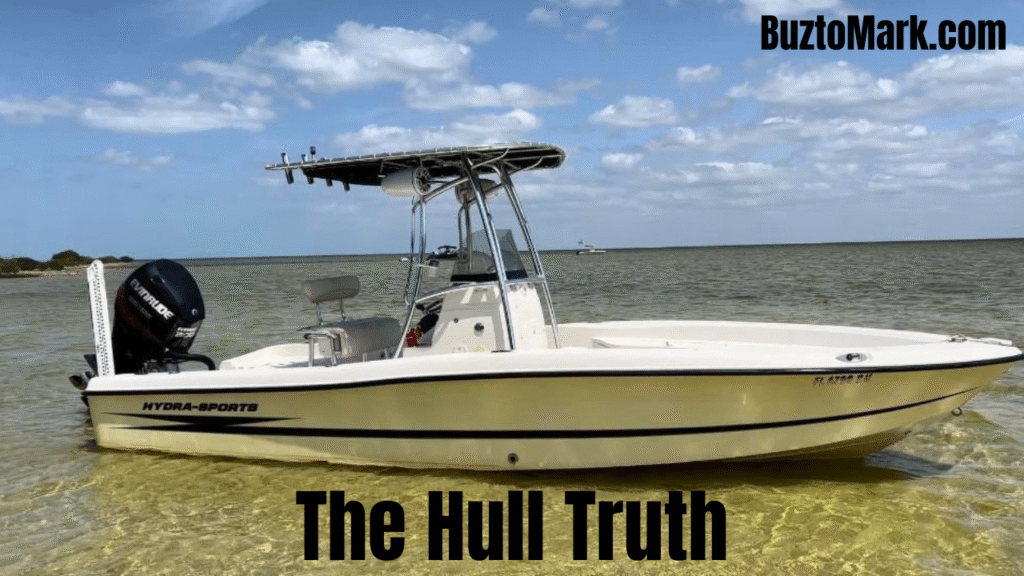
The hull of a boat is the foundation of its design, shaping stability, speed, and safety. “The hull truth” captures the idea of cutting through marketing spin and glossy brochures to get to what really matters about boats. It’s not just about appearance; it’s about performance and reliability on the water. This phrase has become shorthand in certain communities for honest, unfiltered talk about marine life.
Why the Question Marks
Adding after “the hull truth” signals doubt or the search for clarity. It highlights the tension between truth and perception. Someone encountering the phrase might wonder if it refers to a hidden reality, a trusted source, or simply an online debate. The reminds us that truth is not always straightforward. It depends on context, perspective, and personal experience.
The Hull Truth as a Community
Beyond the phrase itself, “the hull truth” has become associated with spaces where people gather to discuss boating experiences, share advice, and debate best practices. These communities thrive on transparency. Members often value firsthand experience over polished advertising, creating an environment where knowledge flows from real use rather than marketing claims.
Debates Around Boats and Honesty
Boating is an expensive passion. That makes honesty in evaluations even more important. Within discussions of “the hull truth,” debates often focus on whether certain brands live up to their promises, whether maintenance shortcuts are worth the risk, or whether safety should always outweigh speed. The captures the ongoing nature of these debates, where consensus is rarely permanent.
Truth Versus Perception
One of the biggest themes surrounding “the hull truth” is how perception shapes reality. A boat that one person calls reliable might be a nightmare for another. The same hull that glides smoothly in calm water might struggle in heavy seas. The hull truth becomes a reminder that truth is subjective. It shifts with conditions, priorities, and expectations.
The Role of Experience
When people seek “the hull truth,” they are often searching for lived experience rather than abstract claims. Owners, captains, and hobbyists contribute their stories to form a collective pool of knowledge. This makes the phrase stand out. It elevates direct testimony over speculation, and practical detail over theory.
Marketing Versus Reality
In industries like boating, marketing paints an idyllic picture. But reality often differs once the boat is out on open water. The hull truth embodies the gap between what is promised and what is delivered. People turn to trusted communities and conversations to navigate this gap, asking hard questions and expecting candid answers.
The Question of Trust

Trust lies at the center of the hull truth. Readers ask themselves: Whose account can I rely on Whose perspective is biased? The suggests hesitation, a pause before accepting something at face value. It represents the constant filtering of information that takes place in any discussion, online or offline.
Learning Through Disagreement
What makes the hull truth compelling is the role of disagreement. Arguments about performance, value, or safety sharpen understanding. While disagreements may get heated, they ensure that no single viewpoint dominates. In this way, the phrase becomes symbolic of dialogue itself: messy, challenging, but ultimately informative.
A Culture of Transparency
Communities tied to the hull truth pride themselves on cutting through spin. They function like watchdogs, challenging exaggerated claims and calling out flaws. This culture of transparency benefits newcomers especially, helping them make informed decisions in an environment where stakes are high and mistakes costly.
The Broader Symbolism
Outside boating, the hull truth can be read metaphorically. It speaks to the human desire to find unfiltered truth in any area of life. Whether it’s products, politics, or personal relationships, people search for the raw, unembellished version of reality. The phrase resonates because it mirrors a universal struggle.
The Digital Dimension
Online spaces have amplified “the hull truth.” The internet allows enthusiasts and skeptics alike to connect and share openly. At the same time, digital platforms raise new questions: Can anonymity distort honesty? Do debates spiral into conflict more quickly online The becomes a natural fit for the uncertainty of digital communication.
Stories That Shape Understanding
Much of the strength behind the hull truth comes from storytelling. Boat owners don’t just talk about numbers; they describe experiences, from exhilarating rides to frustrating breakdowns. These stories anchor abstract truths in concrete detail. Readers absorb lessons not from charts, but from lived reality.
Emotion and Identity
Boating is more than a hobby for many; it’s tied to identity. That makes discussions about “the hull truth” emotionally charged. Defending or critiquing a particular brand can feel personal. The again highlights the emotional uncertainty at play, showing how hard it is to separate fact from feeling.
Knowledge Passed Down
One powerful aspect of the hull truth is its generational quality. Experienced boaters pass down wisdom to newcomers. This exchange resembles oral traditions, where stories carry more weight than official records. It reinforces the sense that truth is not static but constantly shaped by those who live it.
Lessons Beyond Boating
Even for those who never set foot on a boat, the themes of “the hull truth, ??” apply broadly. It is about skepticism, honesty, and community. It is about weighing experience against promise. In this way, the phrase becomes a lens for examining any industry where marketing and reality diverge.
The Power of Questions
The double question marks remind us that truth is always under review. Asking questions, probing deeper, and refusing to settle for surface-level answers is what drives knowledge forward. Without truth risks becoming stagnant. With it, truth remains alive, challenged, and re-examined.
Final Reflections on “the Hull Truth, ??”

At its core, the hull truth represents more than a phrase. It captures the search for honesty in a world full of claims, the value of lived experience, and the importance of questioning what we’re told. It is both specific to boating and universal in meaning. Its endurance lies in how it speaks to both passions: the love of the sea and the love of truth itself.
Conclusion
The hull truth remains an ongoing dialogue. It is part fact, part opinion, and part open-ended question. The truth will always evolve as conditions change, as experiences differ, and as communities grow. The question marks remind us to never stop asking, never stop testing, and never stop seeking clarity in a world where certainty is rare.
FAQs About “The Hull Truth, ?? ”
1. What does “the hull truth” actually mean?
“The hull truth” refers to the search for honest, unfiltered information about boats and boating experiences. The hull is the foundation of a vessel, so the phrase emphasizes cutting through marketing claims to uncover the real performance, strengths, and weaknesses of boats.
2. Why is there sometimes after the phrase?
The represents skepticism, doubt, or a desire for clarification. It signals that truth is often questioned, debated, and revisited rather than accepted at face value.
3. Is “the hull truth” only about boats?
Primarily, yes—it originates in the boating community. However, the phrase is also used metaphorically to describe the broader search for honesty and transparency in any area of life where marketing and reality may differ.
4. Why is “the hull truth” important for boat owners?
Because buying and maintaining a boat is a major financial and personal commitment. Real-world experiences from other boaters help new buyers avoid costly mistakes, stay safe at sea, and make informed decisions about brands, models, and equipment.
5. How does the community around “the hull truth” work?
It functions through open discussion, storytelling, and sometimes heated debate. Members share both positive and negative experiences, challenge each other’s claims, and piece together a more reliable picture of what is true.
Read More: Jack in the Box Careers Opportunities Growth and How to Apply