Antonio Chi Su, ?? – An Exploration of Meaning and Identity

The phrase “Antonio Chi Su” paired with “??” can seem mysterious at first glance, but it invites curiosity. It combines a personal name with a question, creating the sense of someone asking “Who is Antonio?” or “What does Antonio stand for?” In many cultures, names hold deep significance, and pairing them with a question reflects an exploration of identity, meaning, and recognition. This article takes a closer look at the phrase, its possible interpretations, and its symbolic importance in contexts of language, philosophy, and self-understanding.
The Significance of Names

Names like antonio chi su carry layers of meaning. “Antonio” is a widely used name across cultures, particularly in Italian, Spanish, and Portuguese traditions. The addition of “chi su” suggests a linguistic or dialectal twist that may be tied to regional expressions. Often, when a name is followed by a questioning phrase, it becomes more than just identification—it becomes an inquiry. Asking “chi su” (which in some dialects can translate to “who is it?” or “who are you?”) opens the door to discussions about identity, heritage, and personal story. It is not only about the person but also about how they are perceived by others.
Question Marks and Their Symbolism
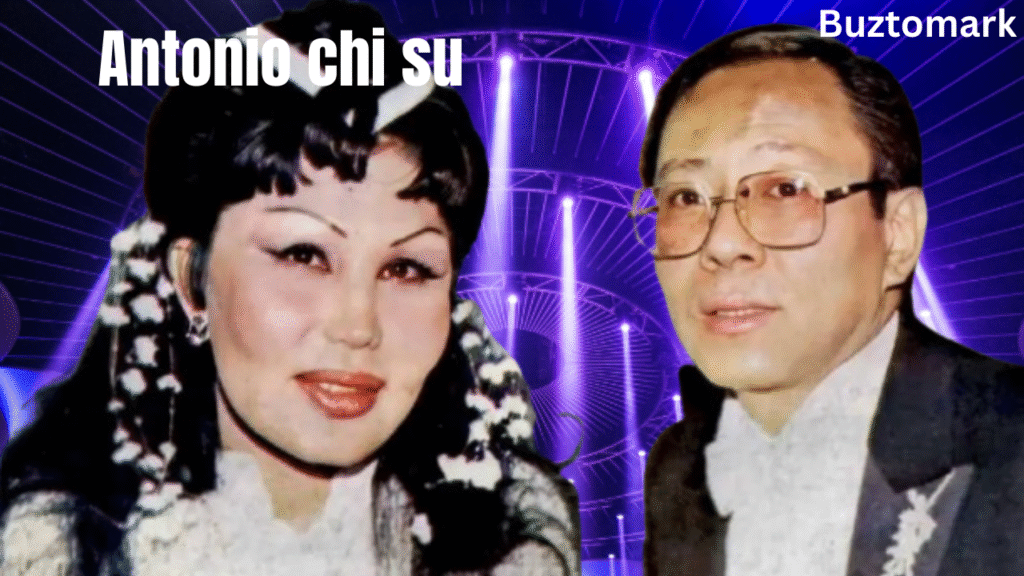
The two question marks—“??”—add emphasis to the inquiry. They highlight uncertainty, curiosity, and perhaps even urgency. In writing, question marks multiply when someone is unsure or wants to stress doubt. In the case of antonio chi su??, the doubled question marks underline a pressing search for clarity. It’s not just asking quietly; it’s asking insistently, almost demanding an answer. This reflects a universal human need to understand who someone is, what they represent, and why they matter.
Language, Dialects, and Expression

The phrase antonio chi su can also be understood through the lens of dialect and local speech. Different regions often modify names and phrases to express something beyond the literal meaning. For instance, in parts of southern Europe, such expressions carry cultural weight. They may be used in everyday conversations to identify someone in a village or neighborhood. They may also appear in stories or sayings where names represent archetypes rather than individuals. This shows how language is not only about communication but also about belonging.
Identity as a Question
At its core, antonio chi su?? asks about identity. Identity is rarely fixed; it is shaped by time, place, and interaction. To ask “Who is Antonio?” is to seek the essence of a person beyond the surface of a name. It could mean questioning Antonio’s role in a family, a community, or a cultural tradition. It may also symbolize the way each of us is asked, implicitly or explicitly, to define ourselves in the eyes of others. The question is universal: Who are we, and how do others see us?
The Role of Mystery
There is a natural sense of mystery when reading antonio chi su??. It feels unfinished, as though the answer has not yet been given. This reflects how mystery plays a role in human curiosity. Mystery draws us into deeper reflection. It reminds us that not all answers are immediate, and some questions about identity, belonging, and recognition may never have one definitive response. Instead, they evolve as our perspective changes.
Cultural Resonance
In many traditions, phrases like antonio chi su?? resonate beyond the individual. They may reflect the collective memory of a community, where names stand in for larger stories. For example, Antonio could be anyone—a worker, a poet, a neighbor, or a historical figure. By asking “chi su??,” the phrase creates an opening where anyone named Antonio becomes symbolic of searching for roots, stories, and meaning. This is why names and questions often reappear in folklore, songs, and oral history.
Personal Reflection
For individuals encountering the phrase, it may also serve as a mirror. We might not know the specific Antonio, but we know the feeling of being asked who we are. We know what it means to be questioned, to have our identity reduced to curiosity or doubt. In this way, antonio chi su?? becomes more than a linguistic puzzle—it becomes a human experience that anyone can relate to. The question can be turned inward: if asked “chi su??” about ourselves, how would we answer?
The Universality of the Question
Though the phrase seems specific, it represents a universal truth: everyone at some point faces the question of identity. In life, we are asked by others and by ourselves to explain who we are. The intensity of “??” reflects the pressure of such moments. For some, the answer is easy and rooted in culture, family, or career. For others, it is complex and shifting. Either way, the question persists, reminding us that identity is both a personal journey and a social negotiation.
Conclusion
The phrase antonio chi su?? may look simple, but it carries layers of meaning. It is a question about identity, recognition, and belonging. It reflects how names can open up cultural stories, how punctuation can heighten urgency, and how language can bridge the personal and the collective. Ultimately, it is not just about Antonio. It is about all of us, about the enduring human need to ask and to answer: Who are you? Who am I? In this way, the phrase is timeless, resonant, and deeply human.
Reda More: Demetris Fenwick, ?? — A Closer Look at Identity, Perception, and Legacy